



When powerful politicians try to use the law as a shield against criticism, ordinary Kenyans are the ones whose voices risk being silenced.
The Facts
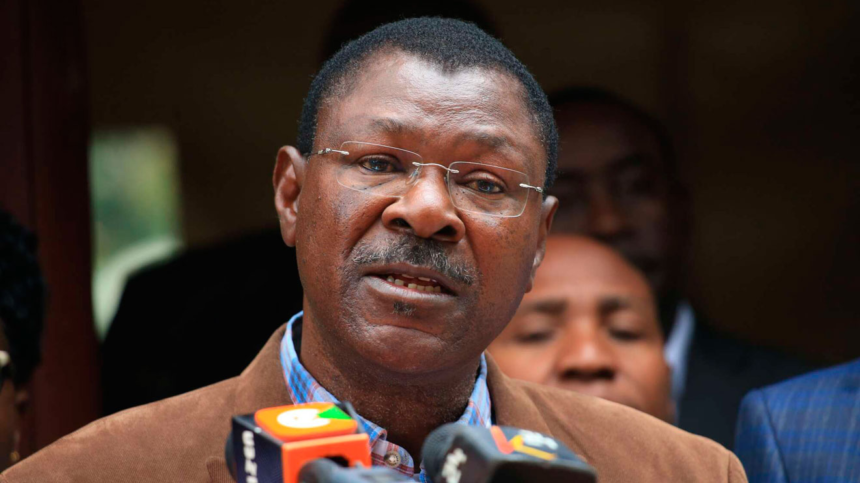
Speaker of the National Assembly and Kenya Kwanza heavyweight Moses Wetangula sent a demand letter on September 3, 2025, claiming damaging allegations had been spread about him. The letter demanded content removal, a public apology, and financial compensation.
But city lawyer Peter Wanyama fired back. He dismissed the threats as hollow and accused Wetangula of attempting to muzzle critics and intimidate the media. According to Wanyama, the demand letter failed to specify what exact words were defamatory or how they caused any harm — making the case baseless.
For the ordinary Kenyan, this is not just a legal duel. It is a reminder that leaders often want to enjoy power without accountability. If Wetangula can use his office to silence critics, what happens to the boda rider complaining about poor roads, or the student speaking against corruption? The fight is not only about Wetangula’s reputation — it is about whether citizens can freely question those who govern them.
The Law
The Constitution is clear. Article 33 protects freedom of expression, and Article 34 guarantees freedom of the press. Public figures, especially those in powerful offices, must be open to scrutiny. Wanyama’s response highlighted that criticism, fair comment, and truth are not defamation — they are constitutional rights.
Kenya’s democracy is built on the right of citizens to speak truth to power. When politicians rush to courts with empty threats, they are not defending their name — they are testing whether our freedoms are real or just written words. Ordinary Kenyans deserve leaders who face criticism, not silence it.